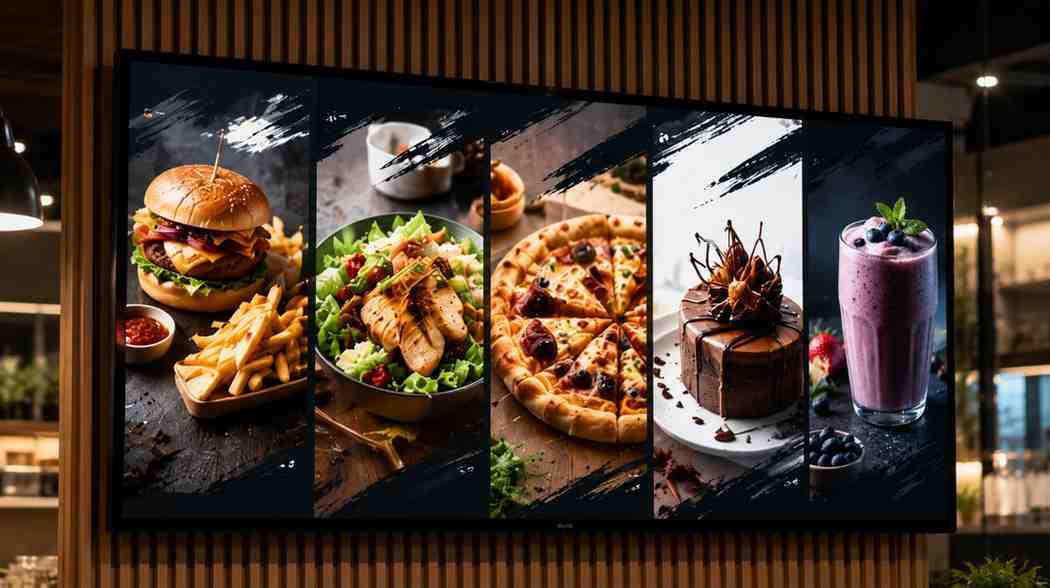
Whether you're running a café, restaurant, bakery, food court, or hospitality venue, a well-designed menu helps customers navigate choices easily while reinforcing your brand. The best menus don't just look attractive. They communicate clearly, encourage engagement, and make ordering simpler.
At Dynamic Displays, businesses across New Zealand are embracing modern menu design strategies that combine visual appeal with smart communication.
Why Menu Design Matters More Than Many Businesses Realise
Imagine entering a café and being handed a cluttered menu packed with tiny text and inconsistent formatting.
Now imagine a clean, organised menu where products are easy to find and visually appealing.
The difference is immediate.
Research from hospitality marketing specialists at Menu Engineering Center suggests that strategic menu design can influence purchasing decisions and help customers navigate choices more efficiently. Good design reduces decision fatigue while highlighting key offerings naturally.
I've noticed that customers often spend less time feeling overwhelmed and more time making confident decisions when menus are thoughtfully structured.
The Role of Menu Design NZ Businesses Depend On
Creating a Strong First Impression
For many customers, the menu becomes an extension of your brand.
A professionally designed menu communicates:
- Quality
- Attention to detail
- Professionalism
- Brand personality
- Customer focus
A strong first impression helps build trust before an order is even placed.
Simplifying Customer Decisions
Too many choices presented poorly can create confusion.
Effective menu design helps customers quickly locate information and identify products that interest them.
This creates a smoother experience and often leads to greater customer satisfaction.
Supporting Business Goals
Menus can strategically guide attention toward specific products or categories.
A carefully planned layout can help:
- Highlight signature items
- Showcase seasonal offerings
- Promote new products
- Increase awareness of popular choices
- Improve customer engagement
Strengthening Brand Identity
Your menu should feel consistent with your overall brand.
Colours, typography, imagery, and layout should all work together to reinforce your business identity.
Key Elements of Effective Menu Design
Successful menus combine design principles with customer psychology.
Clear Structure and Layout
Organisation matters.
Customers should be able to scan a menu quickly and understand where to find information.
Common menu sections include:
- Drinks
- Breakfast
- Lunch
- Dinner
- Desserts
- Specials
A logical structure improves usability.
Readable Typography
The best menu designs prioritise readability.
Choose fonts that are:
- Easy to read
- Consistent
- Appropriate for your brand
- Clear from a distance when displayed digitally
I've noticed that businesses often underestimate how much typography influences customer experience.
Strategic Use of Visual Hierarchy
Visual hierarchy guides attention.
Larger headings, spacing, colour contrast, and positioning help customers focus on important information naturally.
High-Quality Imagery
Food photography can significantly enhance menu appeal when used appropriately.
When I tried comparing customer engagement with image-supported menus versus text-only menus, the visual menus consistently attracted more attention.
However, balance is important. Too many images can create clutter.
Digital Menu Design NZ Businesses Are Embracing
Digital technology has transformed menu presentation.
Dynamic Content Updates
Digital menus allow businesses to update information instantly.
This flexibility supports:
- Product changes
- Seasonal offerings
- Daily specials
- Promotional campaigns
- Real-time messaging
Enhanced Visual Communication
Digital displays support:
- Images
- Videos
- Motion graphics
- Animations
- Interactive content
These elements help create a more engaging customer experience.
Consistent Messaging Across Locations
Businesses operating multiple locations benefit from centralised content management.
Digital menu systems help maintain consistency while simplifying updates.
Better Customer Attention
Movement naturally attracts the eye.
Digital menu boards can highlight key messages and featured products more effectively than static displays.
Common Menu Design Mistakes to Avoid
Even attractive menus can create challenges if basic principles are ignored.
Too Much Information
Customers rarely want to read lengthy descriptions for every item.
Keep content concise and relevant.
Poor Organisation
Disorganised menus create frustration.
Products should be grouped logically and presented consistently.
Overuse of Colours and Fonts
Too many visual elements can reduce readability.
Consistency improves professionalism and usability.
Ignoring Viewing Distance
Digital menu boards require careful consideration of screen placement and viewing angles.
Text should remain readable from expected customer distances.
Outdated Content
Menus should evolve alongside your business.
Regular updates help maintain relevance and customer interest.
How Menu Design Supports Customer Experience
Great menu design reduces effort.
Customers should never struggle to understand what you're offering.
Effective menus help customers:
- Find products quickly
- Understand options clearly
- Make confident choices
- Enjoy a smoother ordering process
In my experience, businesses that prioritise customer-focused menu design often create more positive interactions from the very beginning of the customer journey.
Industries Benefiting From Professional Menu Design
Cafés
Cafés rely on clear presentation to showcase beverages, food items, and seasonal offerings.
Restaurants
Restaurants use menu design to reflect their brand personality and guide customer choices.
Bakeries
Visual presentation plays an important role in highlighting products and attracting attention.
Food Courts
Businesses operating in busy environments benefit from clear and visually engaging menu displays.
Hospitality Venues
Hotels, entertainment venues, and event spaces use professional menu design to improve communication and enhance guest experiences.
Why Businesses Choose Dynamic Displays
Creating effective menu systems requires more than attractive graphics.
Dynamic Displays helps businesses develop menu solutions that combine design, communication, branding, and digital display technology.
Businesses choose Dynamic Displays because they value:
- Professional design expertise
- Digital display solutions
- Hospitality industry understanding
- Reliable implementation
- Ongoing support
Whether you need a traditional menu layout or a modern digital display system, the goal remains the same: helping customers engage with your offerings more effectively.
The Future of Menu Design
Customer expectations continue to evolve.
Menus are becoming more visual, interactive, and adaptable. Businesses increasingly rely on digital platforms to communicate information efficiently while maintaining brand consistency.
I've noticed that customers respond positively to menus that feel intuitive and visually appealing. The easier it is to navigate information, the better the overall experience becomes.
As hospitality businesses continue embracing technology, thoughtful menu design will remain a valuable part of customer communication and brand presentation.
Related Pages and Next Steps
Compare related options before you decide: digital menu boards, commercial displays and Benefits of Digital Menu Boards for Restaurants in Auckland.
Not sure which option suits your site? Contact Dynamic Displays for advice and a quote.